Take Action

In Wellington-Halton Hills, we’re building momentum on these GPO campaigns
  • Reverse Bill 5!
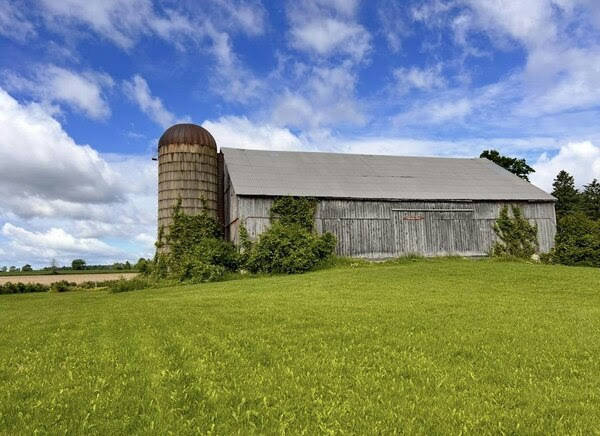
  • Protect our farmland
  • Build more homes people can afford


Donate Today

Donate

With your help, we can build a future you can believe in. Every little bit helps.

Facebook Posts

A quarter of the birds in North America have disappeared in a generation. Birds are essential for healthy ecosystems. Their decline is an early warning sign and what can we do to address this loss?The Thinning Sky: The Quiet Disappearance of North America’s BirdsWe are not witnessing a simple fluctuation.We are witnessing a steady disappearance.In just one human generation, about one in four birds in North America has vanished. Since 1970, the continent has lost roughly 2.9 billion birds.As the sun rises across March landscapes, the first “vanguard” migrants begin arriving in the United States—cranes, blackbirds, and meadowlarks returning to their breeding grounds. But long-term monitoring and recent reporting confirm a troubling reality: many bird populations across North America are declining, and some losses are accelerating.Even familiar species are affected. The shimmering blue of the Indigo Bunting, now preparing to migrate north from the Caribbean and Central America, is becoming a less common sight in summer fields and brushlands.The Myth: “Bird Populations Naturally Fluctuate”A common assumption is that bird numbers rise and fall naturally.Because many people still see birds at backyard feeders, it can feel like ecosystems remain stable. But large-scale scientific surveys tell a different story.The loss of 2.9 billion birds since 1970 reflects not only the disappearance of rare species. It represents a broad “thinning” of once-common birds—sparrows, warblers, blackbirds, and buntings that form the backbone of North America’s ecosystems.The Scientific Reality: Multiple PressuresLong-term studies across the continent reveal several key drivers behind these declines.1️⃣ Grassland Habitat LossGrassland birds have experienced the steepest decline of any bird group. Species like meadowlarks and bobolinks have lost more than half of their populations (about 53%) since 1970 as prairies and open fields disappear.2️⃣ Hazards Across Two ContinentsMigratory birds face challenges across their entire journey. Species like the Indigo Bunting must navigate habitat loss in tropical wintering forests and intensive agricultural landscapes in North America where pesticides and habitat fragmentation reduce food and nesting sites.3️⃣ Climate Timing MismatchesWarming temperatures are shifting seasonal patterns. In some cases, insects emerge earlier in spring before long-distance migrants arrive, making it harder for parent birds to find the caterpillars their chicks need.What Is Happening Right Now (Early March)Across Central America and the Caribbean, millions of songbirds are preparing for migration.1️⃣ The Weight RaceMany species are currently in hyperphagia—an intense feeding period where they rapidly store fat. These fat reserves will fuel the long flights north.2️⃣ The Early ArrivalsMeanwhile, some birds are already establishing territories. The Eastern Meadowlark has begun singing across parts of the southern United States, claiming fence posts and open fields as breeding territory.Each territory secured is a small victory for a group of birds working to maintain shrinking populations.Why Bird Declines MatterBirds are vital to the health of ecosystems.1️⃣ Natural Pest ControlMany small songbirds consume hundreds to thousands of insects each week, especially during breeding season. Their presence helps regulate insect populations naturally.2️⃣ Seed Dispersal and Plant GrowthBirds help move seeds across landscapes, allowing forests and grasslands to regenerate and maintain plant diversity.3️⃣ Environmental Early-Warning SystemBird populations often respond quickly to environmental change. Their decline can signal deeper problems affecting entire ecosystems.Small Actions That Can HelpIndividual choices can make meaningful differences for migrating birds.1️⃣ Replace Some Lawn with Native PlantsNative grasses, shrubs, and wildflowers provide food and shelter that sterile turf lawns cannot.2️⃣ Make Windows SaferDuring migration, millions of birds collide with glass. Window decals, screens, or patterned films can dramatically reduce strikes.3️⃣ Reduce or Eliminate PesticidesInsects are essential food for birds. Every pesticide-free yard helps maintain the food supply birds rely on.ConclusionThe decline of North America’s birds is a quiet emergency.When species like the Indigo Bunting or Meadowlark disappear, we lose more than beautiful songs. We lose essential partners in the ecosystems that support forests, farms, and wild landscapes.As spring migration begins this March, millions of birds are returning north.The question is simple:Will the landscapes they return to still be able to support them?The answer depends, in part, on the choices we make today. ... See MoreSee Less
View on Facebook
We can be creative, resourceful, and resilient as a community to address food security and build sustainable communities. Thank you to Ignatius Farm for leading the way! ... See MoreSee Less
View on Facebook

In The Media

Mike Schreiner leads discussion on affordable housing

ELORA  – Ontario Green Party Leader and Guelph MPP Mike Schreiner championed a discussion on [...]
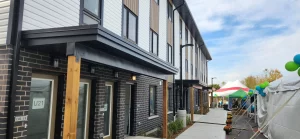
Ontario Green Leader Mike Schreiner Visits Fergus to Talk Housing Solutions

FERGUS – Ontario Green Party Leader and Guelph MPP Mike Schreiner was in Fergus Wednesday [...]

Halton Hills Council backs new foodbelt plan to protect prime farmland

Halton Hills Council has unanimously endorsed a proposal to establish a foodbelt protection plan advisory [...]

Centre Wellington council endorses Schreiner/Brady bill

ELORA – Guelph MPP Mike Schreiner and Haldimand–Norfolk MPP Bobbi Ann Brady were preaching to [...]

Community members gather for Bill 5 rally in Elora

ELORA – Community members and activists gathered at MacDonald Square in Elora on Aug. 23 [...]

How Wellington-Halton Hills candidates plan to tackle affordability and the health-care crisis

Wilton said her government wants to eliminate the land transfer tax for first-time homebuyers as [...]

Animated Belwood audience boos, sighs, applauds for candidates

BELWOOD  – An all-candidates meeting was held Feb. 19 at the Pine Meadows community in Belwood.  [...]
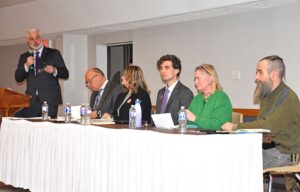
Health care, roads, voter turnout, local knowledge dominate discussion at Aberfoyle debate

Wilton said the loss of farmland to development is a big concern in the riding [...]
 

WHH Residents Speak Up

Dear Editor:

Bill 5 is a disaster for the environment and our democracy.

“You don’t know what you’ve got till it’s gone,” sang Joni Mitchell. This is a wake-up call to us all that if we don’t act, we may lose much of what we value as Ontarians and Canadians.

The riding of Wellington-Halton Hills is blessed. We’re surrounded by the Greenbelt, fertile farmland and the magnificent Niagara Escarpment.

These natural assets store carbon, cool the atmosphere and absorb flooding while providing critical habitat for diverse species, including humans.

Read More

Bill 5 ‘a disaster’
Jeannine d’Entremont, Halton Hills

Wellington Advertiser, May 5, 2025

Dear Editor:

I have been silent thus far on Bill 5. I have let others sound the alarm, stand up and against this dangerous legislation that threatens our democracy, our environment and consultation with our Indigenous nations. I have hoped against hope that Conservative MPPs would have learned from the debacle of the Greenbelt scandal.

Bill 5 raises the stakes to a whole new consequential level under the guise of “special economic zones.”

Bill 5 is high-handed opportunism, reactionary and disrespectful.

Read More

Silent no more
Cinda Richardson, Fergus

Wellington Advertiser, June 14, 2025

Dear Editor:

Despite significant opposition from Indigenous groups, diverse civil society organizations and thousands of Ontarians, the Government of Ontario passed Bill 5 last week.

This legislation infringes on Indigenous rights, gives unchecked powers to provincial ministers, dismantles protections for Ontario’s most vulnerable species, overrides municipal planning and undermines democratic processes.

The public outcry about Bill 5 has been deafening from groups across sectors. More than 100 national, provincial and local organizations signed a joint letter opposing the replacement of the Endangered Species Act.

Read More

Unchecked powers
John Hassell, Ontario Nature

Wellington Advertiser, June 11, 2025

Dear Editor:

Premier Doug Ford claims Bill 5 will “Protect Ontario by Unleashing Our Economy.”

This bill will not protect Ontarians like you and me. In fact, part of the bill, the “Special Economic Zones Act,” removes the very laws and regulations that are meant to protect us, so that companies can more quickly profit. The bill even includes protection against lawsuits for projects within special Ford zones.

What happens when for-profit companies are unleashed? Here are some imaginable futures …

Read More

Making the rich richer
Ailsa Kay, Fergus
Wellington Advertiser, August 13, 2025

Dear Editor:

Doug Ford is at it again! He wanted to break up the Greenbelt to make developers millions of dollars. He was called out by voters and his own MPPs and finally reversed course. Now he has devised another way to grab land and power in Bill 5.

The bill ignores environmental legislation and protections, archeological investigations, and consultation with the First Nations.

Read More

‘Pay-to-play’ land grab
Donna McCaw, Elora
Wellington Advertiser, July 23, 2025

The Protect Our Food Act

Proposed by Ontario Greens Leader and Guelph MPP Mike Schreiner and Independent MPP for Haldimand–Norfolk Bobbi Ann Brady

Here in Wellington and Halton:

  • 2,600+ farms grow what our families eat.
  • 12% of Ontario’s dairy cattle and milk production.
  • 10% of the province’s poultry and egg farms.
  • 8% of hog and pig operations.

Halton Hills’ agri-business sector adds $50 million to the local economy each year — and its greenhouses and nurseries are major local employers.
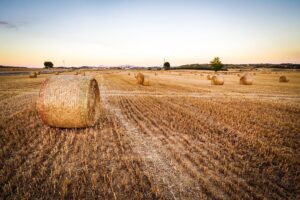
Once farmland is destroyed, it’s gone forever.

  • In the past 35 years, Ontario has lost 2.8 million acres — 18% of farmland.
  • Farmland loss is accelerating: 319 acres per day (about nine family farms per week).

Local stakes

  • A Mississauga developer is appealing to the Ontario Land Tribunal to turn Class A farmland north of Elora/Salem into sprawl — in direct opposition to the Township’s efforts to protect farmland.
  • The Township is fighting for farmland; the Province is siding with developers.

But with the Protect Our Food Act, communities like ours will have a chance to defend local farms.

What can you do?

  • Email Joseph Racinsky to support the Foodbelt
  • Sign the petition
  • Donate locally to the Wellington-Halton Hills Constituency Association

Make a difference today. Protect Ontario farmland.

Get Involved

Get in touch: whh@gpo.ca

Contact Us